
 Login
Login USD
USD MXN
MXN
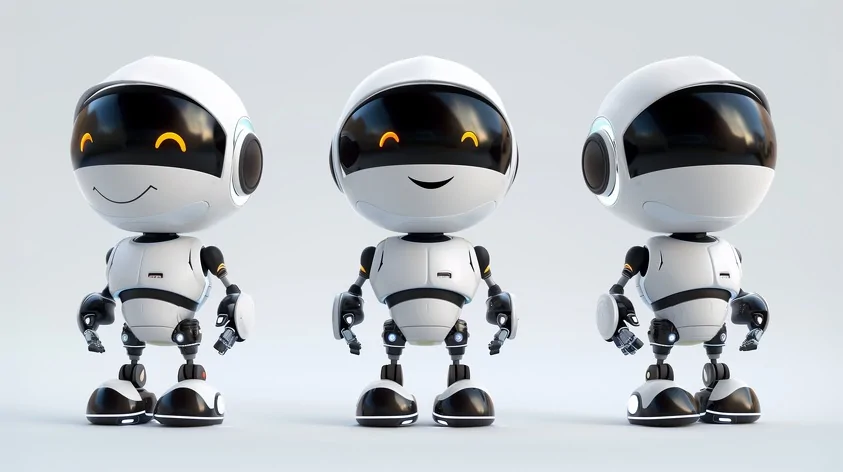
Over the past decade, companies have transformed the way they interact with customers to answer questions, resolve concerns, and drive sales. Businesses have increasingly adopted customer service technologies that reduce response times and deliver faster, more efficient experiences. As a result, many organizations have shifted away from traditional human support, which many customers once viewed as the most reliable way to receive personalized assistance throughout the buying journey or when resolving issues.
If you had to choose a customer service strategy for your business, would a chatbot or a human support team be the better option?
In this article, we'll explore the advantages and limitations of both approaches to help you determine which solution best aligns with your organization's goals and customer expectations.

What Is a Chatbot?
If you've ever visited the website of one of your favorite online retailers, chances are you've interacted with a chatbot. The conversation may have started with a prompt such as, "How can we help you today?" or "What can we assist you with?"After selecting an option like "I'd like to return my order," the system likely guided you through a series of steps to complete your request.
This is exactly how chatbots are designed to work.
A chatbot is a virtual assistant powered by software that simulates conversations with users. Its primary purpose is to answer frequently asked questions, provide customer support around the clock, and automate routine interactions through text or voice. By leveraging conversational technology, chatbots help businesses deliver fast and efficient assistance whenever customers need it.
In essence, chatbots are software applications that replicate human conversations to handle common customer inquiries and basic service requests. They have become an essential component of customer support on websites, allowing users to obtain information or complete simple tasks without waiting for a live representative.

Chatbot Performance Depends on Its Level of Sophistication
Not all chatbots offer the same capabilities. Their effectiveness largely depends on the technology behind them.
Rule-based chatbots follow predefined workflows and respond according to programmed keywords or decision trees. They perform well when handling predictable questions with clearly defined answers.
AI-powered chatbots, on the other hand, leverage artificial intelligence and natural language processing (NLP) to understand user intent, learn from previous interactions, and continuously improve the accuracy and relevance of their responses.
If you've ever configured automated replies for a Facebook Business Page, you've already experienced a basic form of chatbot automation. By defining clear rules and response flows, businesses can automate repetitive customer interactions, allowing employees to focus on more strategic tasks.
If your organization is considering chatbot implementation, TecWeb's specialists can integrate a virtual assistant into your existing website or develop a custom website from the ground up with chatbot functionality built in. Our solutions are designed to strengthen your digital presence while enhancing communication with your customers.
Beyond your website, we can also automate customer interactions across social media platforms and messaging applications such as WhatsApp. These solutions can answer frequently asked questions, guide users through the purchasing process, schedule appointments, resolve common inquiries, and seamlessly transfer conversations to the appropriate department whenever personalized assistance is required.
Benefits of Chatbots
24/7 Availability. One of the greatest advantages of chatbots is their ability to provide customer support around the clock. They can respond to inquiries at any time of the day, including weekends and holidays, allowing businesses to remain accessible even outside regular business hours. This continuous availability not only enhances the customer experience but also helps organizations capture potential business opportunities that might otherwise be missed.
Instant Responses. Today's consumers expect immediate assistance. Chatbots deliver real-time responses, significantly reducing wait times and improving customer satisfaction. By eliminating delays in communication, businesses can resolve common questions within seconds and provide a faster, more efficient support experience.
Lower Operating Costs. Automating repetitive customer interactions allows businesses to allocate their human resources to tasks that require critical thinking and personalized attention. By handling routine inquiries, chatbots help reduce operational costs while improving productivity and enabling customer service teams to focus on higher-value activities.
Scalability. Unlike human agents, who can only manage a limited number of conversations at once, chatbots can handle thousands of customer interactions simultaneously. This scalability makes them especially valuable during promotional campaigns, seasonal peaks, product launches, or any period of increased customer demand.
Consistent Communication. Chatbots provide consistent and standardized responses based on predefined guidelines established by the business. This ensures that every customer receives accurate information while maintaining a uniform brand voice across every interaction.
Challenges of Chatbots
Although chatbots offer numerous advantages, they are not the ideal solution for every customer interaction.
When conversations become more complex or emotionally driven, chatbots may struggle to fully understand customer intent or respond with the empathy required to resolve the situation effectively. If not properly designed and implemented, a chatbot can create frustration, negatively impact the customer experience, and even affect a company's brand reputation.
Traditional rule-based chatbots are limited to predefined conversation flows and can only answer questions they have been programmed to recognize. As a result, unexpected or highly specific inquiries often require human intervention.
This is why successful chatbot implementation requires more than simply adding an automated chat feature to a website. It requires careful planning, conversational design, and continuous optimization.
At TecWeb, our specialists design intelligent conversational experiences that help businesses deliver accurate, relevant, and engaging customer interactions while protecting their brand reputation and ensuring a positive user experience.
When Should Your Business Implement a Chatbot?
The decision to implement a chatbot should be based on your organization's specific operational needs and customer service objectives.
A chatbot can be an excellent solution if your business:
- Receives a high volume of repetitive customer inquiries.
- Needs to provide customer support 24 hours a day without expanding overnight staffing.
- Wants to reduce operational costs while improving efficiency.
- Requires automated lead qualification before connecting prospects with a sales representative.
- Seeks to optimize the customer journey and accelerate digital sales.
By automating routine interactions, organizations can streamline communication, improve response times, and create a more scalable customer service strategy that supports long-term business growth.

The Value of Human Customer Service.
Despite the rapid advancement of automation technologies, human customer service remains an essential component of an effective customer experience strategy. When situations require empathy, critical thinking, or personalized solutions, human interaction continues to deliver value that technology alone cannot fully replicate.
Depending on the nature of your business, incorporating human support into your customer service strategy can significantly strengthen customer relationships and improve long-term satisfaction.
Benefits of Human Customer Service
Empathy and Personalized Interactions. Human representatives have the ability to recognize emotions, adapt their communication style, and provide personalized assistance based on each customer's unique situation. This human connection helps build trust and creates more meaningful customer experiences.
Effective Resolution of Complex Issues. When customers face complicated situations, they expect more than automated responses. Human agents can analyze problems, evaluate multiple solutions, negotiate alternatives, and make informed decisions that lead to satisfactory outcomes.
Stronger Customer Relationships. Personalized service plays a vital role in fostering customer loyalty. In many cases, the quality of customer support is just as influential as the products or services a business offers. Positive human interactions encourage long-term relationships and increase customer retention.
Adaptability. Unexpected situations often require creativity and sound judgment. Human representatives can adjust their approach, modify processes when necessary, and respond effectively to unique circumstances that fall outside predefined workflows.
Challenges of Human Customer Service
Although human support offers significant advantages, it also presents operational challenges that businesses should consider.
Limited Availability. Unlike automated systems, customer service teams typically operate within standard business hours. Many organizations provide support only during the workday, limiting immediate assistance during evenings, weekends, and holidays.
Higher Operating Costs. Maintaining a dedicated customer support team involves ongoing expenses, including recruitment, training, salaries, employee benefits, and management. As customer demand increases, businesses often need to expand their workforce, resulting in additional operational costs.
Longer Response Times. When inquiry volumes exceed the team's capacity, customers may experience longer wait times. Delayed responses can negatively affect customer satisfaction and may even result in missed business opportunities.
Limited Capacity. Each customer service representative can only manage a limited number of conversations simultaneously. During periods of high demand, this limitation can reduce overall efficiency and slow response times.
Inconsistent Service Quality. Customer experiences may vary depending on the individual representative's knowledge, communication skills, and level of experience. Factors such as workload, stress, and training can also influence the consistency and quality of the service provided.
Chatbots vs. Human Customer Service: Which Is the Better Choice?
The answer depends on your organization's goals and the type of customer experience you want to deliver.
For businesses that receive a large number of repetitive inquiries, chatbots provide an efficient way to automate routine interactions while reducing response times. However, this doesn't mean organizations should eliminate human support altogether.
In many cases, a hybrid customer service model offers the best of both worlds.
By combining chatbot automation with human expertise, businesses can provide immediate assistance 24/7 while ensuring that more complex or sensitive cases are seamlessly transferred to experienced customer service professionals.
For example, a customer may initiate a conversation to check the status of an order. A chatbot can instantly retrieve the tracking information and provide an immediate response. If the customer later encounters a shipping issue, the conversation can be escalated to a human representative who can investigate the situation and offer a personalized solution.
Rather than viewing chatbots and human support as competing alternatives, organizations should see them as complementary technologies. Businesses that successfully integrate both approaches can streamline operations, improve customer satisfaction, and meet the evolving expectations of today's digital consumers.
Your Technology Partner for Digital Growth
Partnering with TecWeb gives your business access to a team of experts in software development, process automation, artificial intelligence, and systems integration. We design and implement technology solutions tailored to your organization's unique goals and operational requirements.
Our objective extends beyond deploying new technologies. We help businesses build comprehensive customer engagement strategies that combine innovation, efficiency, and personalized service to deliver exceptional customer experiences while supporting sustainable business growth.
In today's competitive digital landscape, customers expect businesses to be available whenever they need assistance. At TecWeb, we help you achieve that expectation through intelligent automation, rapid response capabilities, and seamless collaboration between chatbot technology and your customer service team.
Together, we can create a customer experience that is fast, efficient, and genuinely human when it matters most.
Discover how TecWeb's web development, digital marketing, and automation solutions can help your business strengthen its online presence and drive long-term success.